Environmental Impact
South Africa faces a growing crisis of waste tyres that are often dumped illegally, stockpiled in open areas, or burned. Rubber Refectory is designed to address this challenge by converting waste tyres into high-value construction materials, reducing pollution, and supporting healthier communities.
Rubber Reformers directly addresses South Africa's growing tyre waste crisis by diverting end-of-life tyres from illegal dumps, stockpiles, and uncontrolled burning. Our facility converts waste tyres into durable, engineered products that serve critical infrastructure roles.

Transforming waste into a sustainable future
The Tyre Waste Problem
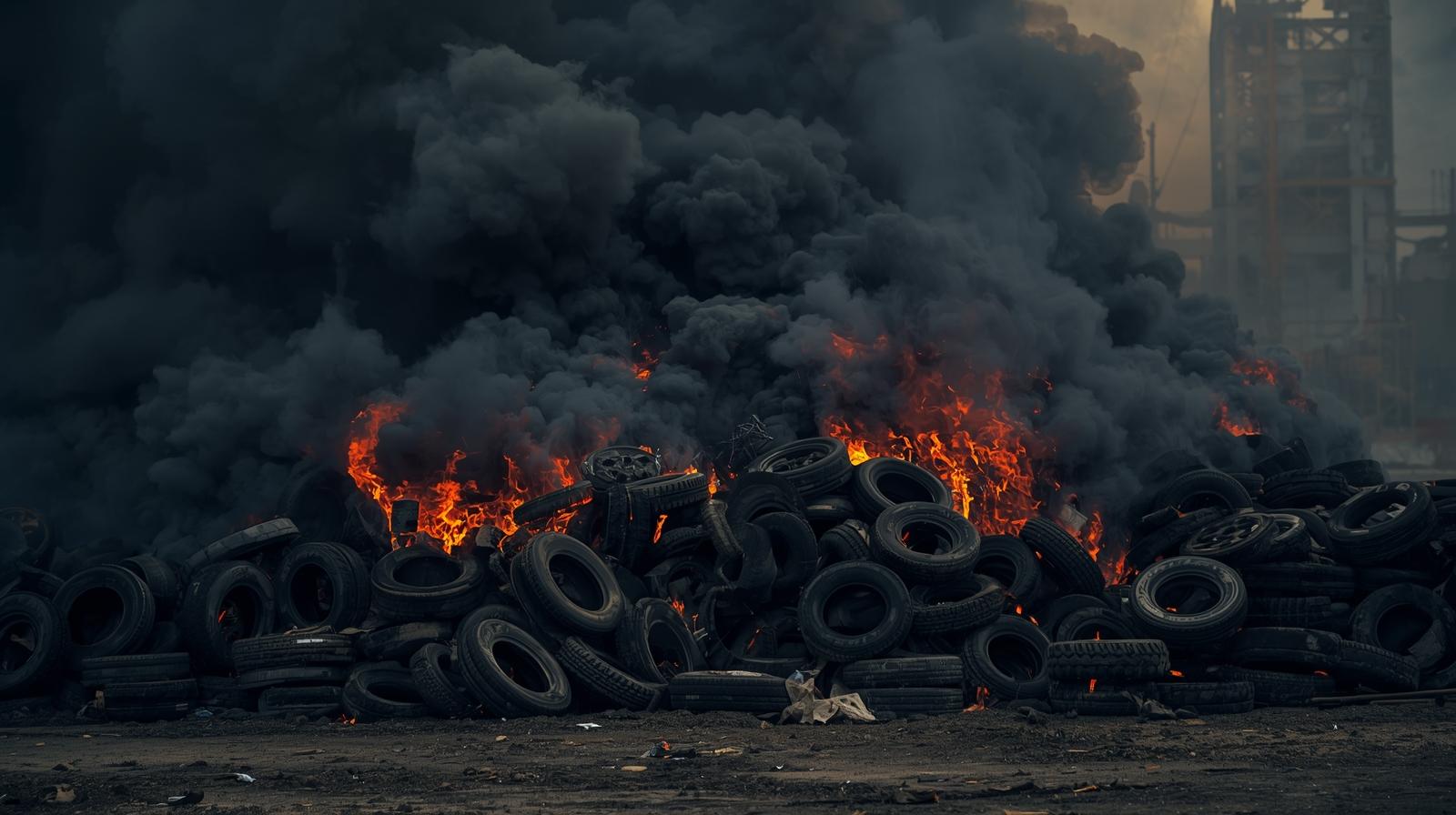
It is estimated that around 900,000 tonnes of waste tyres have accumulated in South Africa, with approximately 11 million additional waste tyres generated every year. Many of these tyres end up in informal dumps, wetlands, and open fields rather than being processed through formal recycling channels.
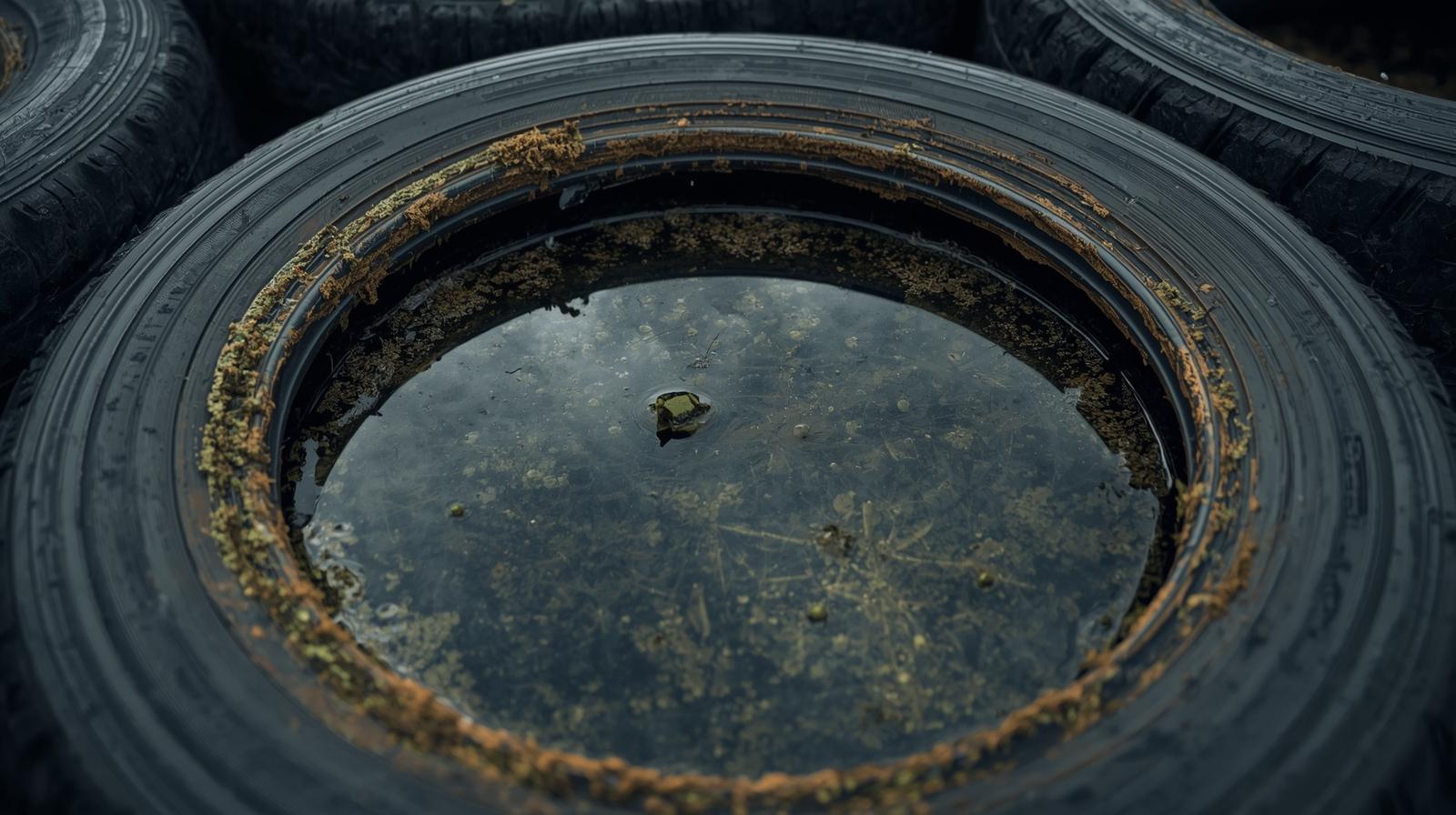
When tyres are dumped or stockpiled, they collect stagnant water, become breeding grounds for disease-carrying mosquitoes, and create serious fire risks. Burning tyres releases toxic smoke and pollutants that harm air quality, soil, and water.
Health Risks
Pools of water trapped in discarded tyres can support large mosquito populations, which in turn increase the risk of vector-borne diseases such as malaria. In the Western Cape alone, there were around 253 malaria cases in the 2022–2023 period, highlighting the ongoing health burden.
Fires at tyre dumps produce dense black smoke containing hazardous compounds. These pollutants can travel long distances, affecting respiratory health, contaminating soil and water, and damaging ecosystems. Managing tyres responsibly is therefore both an environmental and public health priority.
Recycling Benefits & Circular Economy
By transforming end-of-life tyres into durable rubber bricks and barrier systems, Rubber Reformers helps close the loop on a historically linear waste stream.
This approach supports South Africa's circular economy goals by:
- Reducing the volume of tyres requiring disposal.
- Extending the useful life of materials extracted from tyres.
- Creating local jobs in collection, processing, and manufacturing.
- Substituting some conventional construction materials with recycled alternatives.

Carbon Footprint & Climate Resilience
Recycling tyres can help reduce greenhouse gas emissions by avoiding uncontrolled burning and reducing the need for some energy-intensive virgin materials. While full life-cycle assessments are complex, the principle is clear: keeping tyres in productive use is preferable to open dumping or incineration.
Products such as StormEnforcer flood barriers also contribute to climate resilience by helping communities and municipalities manage flood risks associated with more extreme weather events.
Policy & Regulatory Alignment
Rubber Reformers is aligned with South Africa's evolving waste, climate, and infrastructure policy frameworks.
In the Western Cape, Rubber Reformers aims to partner with government, municipalities, and private developers to deliver tangible environmental, social, and economic benefits.
Rubber Reformers supports progress toward multiple UN Sustainable Development Goals, including SDG 3 (Good Health & Well-Being), SDG 8 (Decent Work & Economic Growth), SDG 9 (Industry, Innovation & Infrastructure), SDG 11 (Sustainable Cities & Communities), SDG 12 (Responsible Consumption & Production), and SDG 13 (Climate Action).